

Dry Creek Black Angus — At a Glance
Established: 2015 Location: Fredericktown, Missouri Foundation Genetics: Connealy Final Answer influence
Typical Birth Weights: 50–55 lbs. Average Weaning Weights (≈7 months): 490–590 lbs.
Primary Cow Families: Queen • Eline • Lady • Rita
Inbreeding Management: Target ≤ 3% (most matings < 1%)
Herd Longevity: Foundation cows born 2014–2016 remain productive
Herd Sire Program:
AI Sires (2016-2019) • Black Beauty (2020–2023) • Power House (2024–2025) • Hill Capitalist 2406 (2026–2028)
Program Focus:
Maternal strength • Calving ease • Balanced growth • Structural longevity • Competitive carcass value
About Dry Creek Black Angus
Practical Angus Genetics Built for Real-World Performance
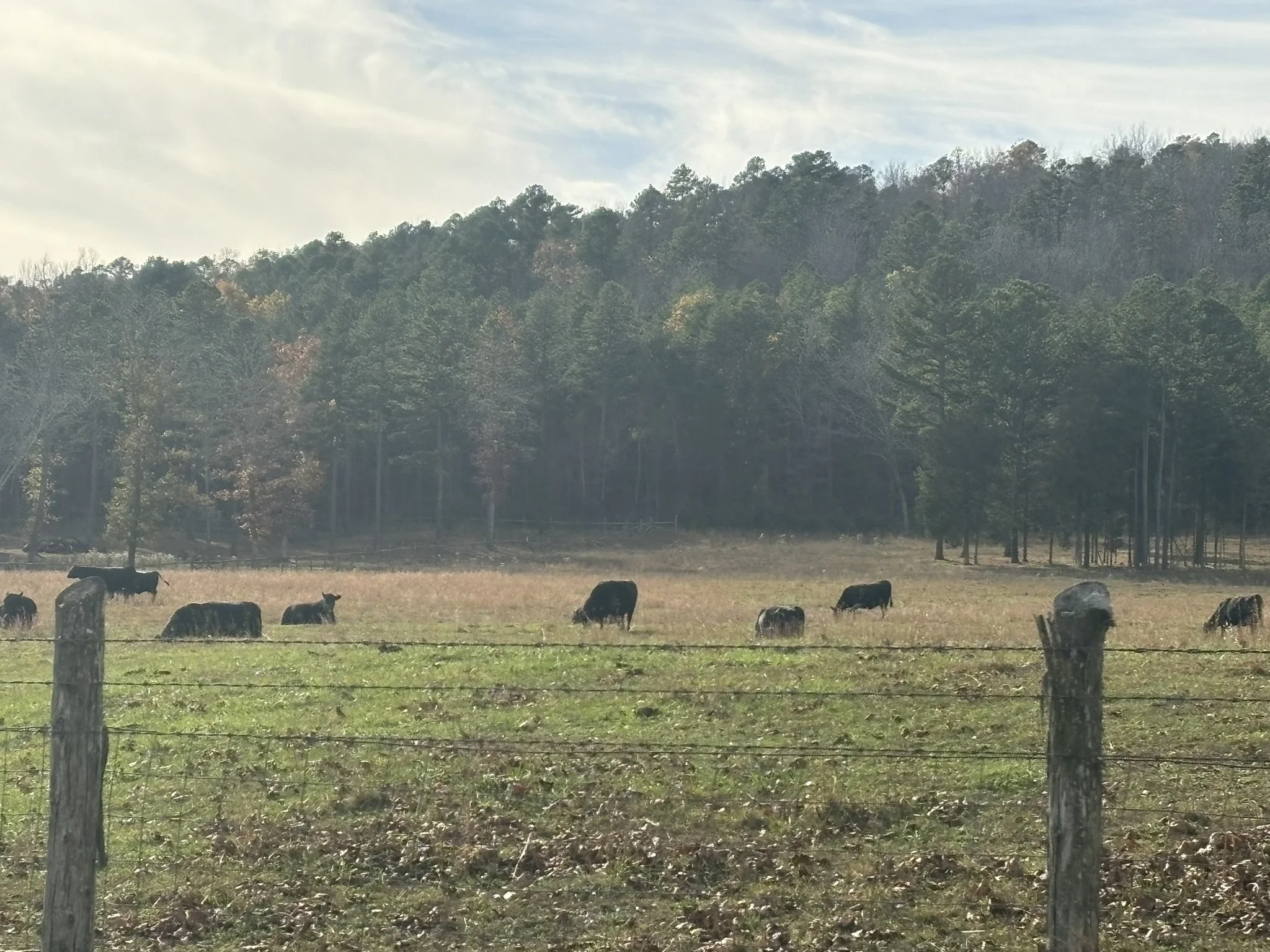
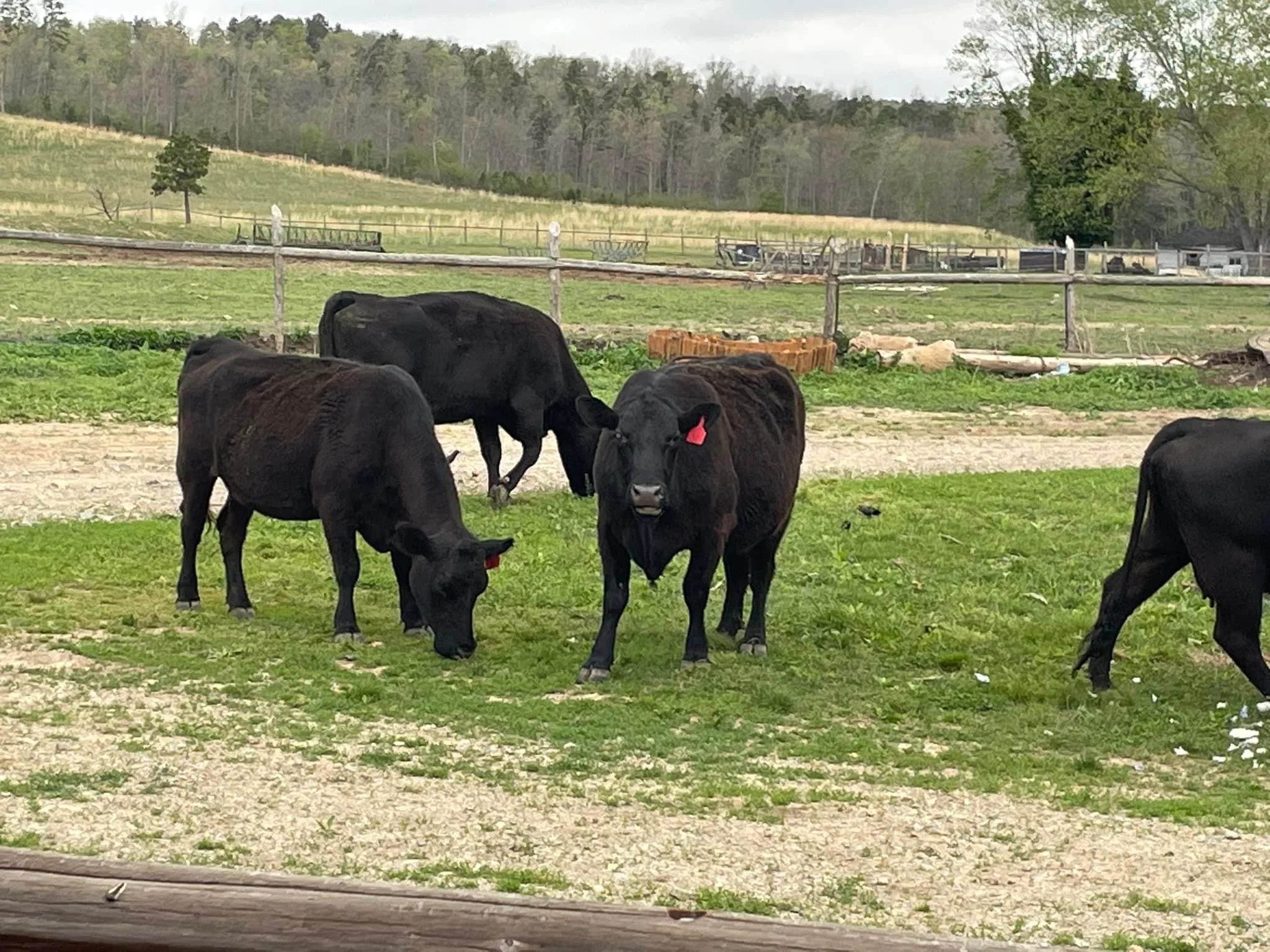
Dry Creek Black Angus is a registered Angus breeding program located in Fredericktown, Missouri, focused on producing practical, functional cattle that perform under real ranch conditions.
The program was established in 2015 with a select group of registered Angus females originating from a 2014 foundation cow set. These cows formed the maternal base of the herd and continue to influence the program today.
From the beginning, the goal has been to develop cattle that combine maternal strength, structural soundness, balanced performance genetics, and long-term productivity.
Herd Longevity and Productivity
One of the strengths of the Dry Creek Black Angus program is the long-term productivity of our cow herd.
Many of the foundation females were born between 2014 and 2016 and remain in productive condition today as they prepare for another calving and breeding season. These cows continue to demonstrate the type of fertility, sound structure, and maternal reliability that are essential for a sustainable breeding program.
Longevity is a trait we value highly within the herd. Cows that remain productive for many years contribute to the stability and consistency of the program while reducing the need for constant herd turnover.
The durability of the herd is also reflected in our herd sire performance. Our current mature herd bull, born in 2018, continues to successfully service 35 cows per breeding season, demonstrating the structural soundness and reproductive capability expected from a working ranch sire.
Maintaining cattle that remain productive over multiple breeding seasons is a key part of the Dry Creek breeding philosophy and reflects the program’s focus on functional cattle built for real-world conditions.
Maternal Foundation
The herd is built around several proven Angus cow families known for maternal strength and longevity:
• Queen
• Eline
• Lady
• Rita
These families provide the consistency and predictability that form the backbone of the Dry Creek herd. Several foundation cows from the original 2014 group remain productive today, demonstrating the kind of durability and maternal reliability the program was built around.
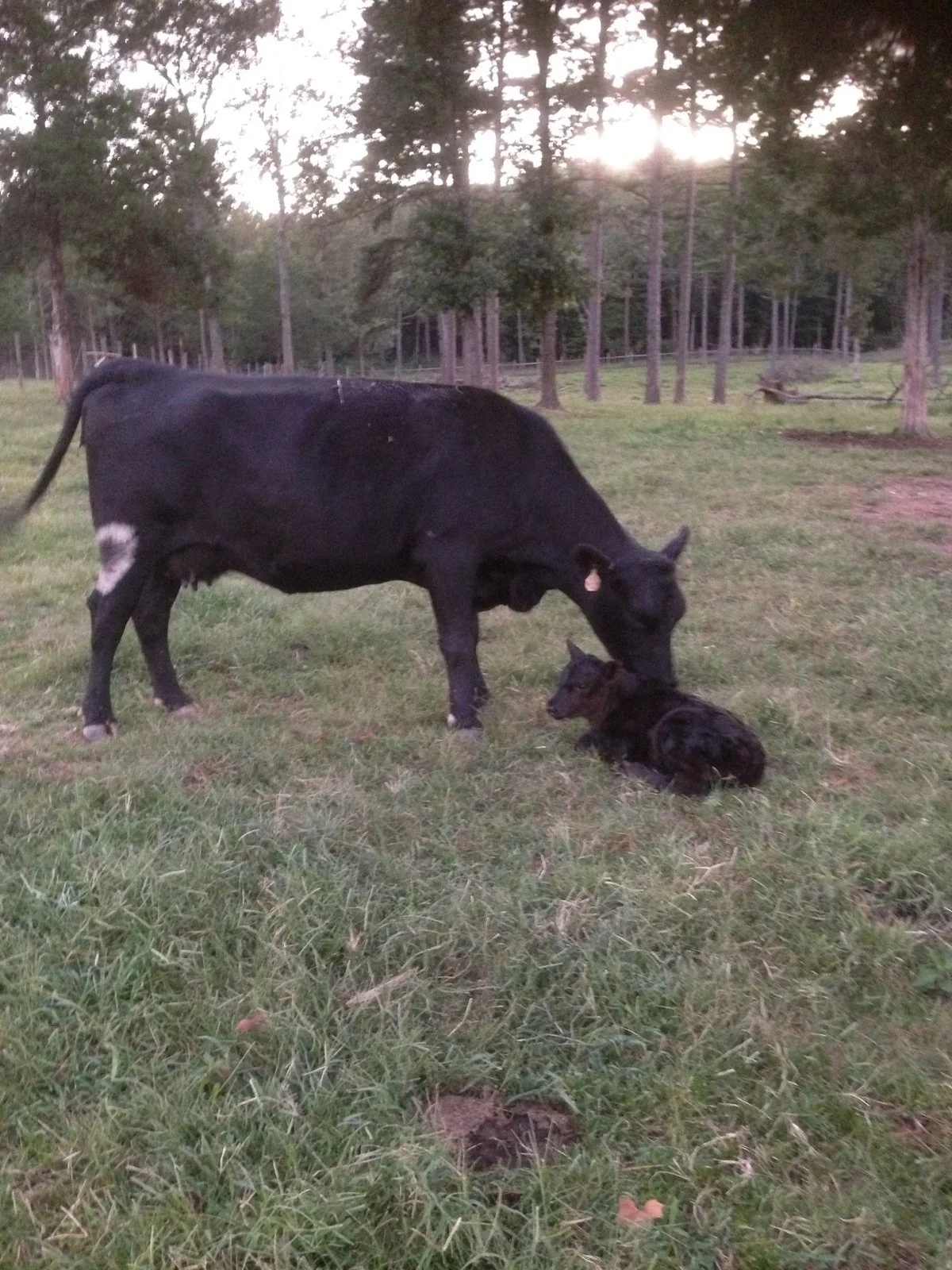
As the herd has developed, multiple Dry Creek-bred females have been retained to carry these cow families forward into future generations.
Herd Sire Program
The Dry Creek breeding program uses carefully selected herd sires to complement the maternal cow base while introducing performance and genetic diversity.
2020–2023 Herd Sire
Black Beauty (AAA 21514273)
Black Beauty was a Dry Creek-raised bull combining Ellingson Chaps 4095 on the sire side with the ARR Value Queen 434 maternal line. This combination reinforced the herd’s maternal base while maintaining balanced growth performance and structural soundness. Black Beauty bull
2024–2025 Herd Sire
Power House
Power House was introduced to continue strengthening performance traits within the herd while maintaining the maternal qualities established in the original cow base. His genetics helped expand growth performance while preserving the balanced structure of the herd.
2026–2028 Herd Sire
Hill Capitalist 2406
Beginning with the 2026 breeding season, Dry Creek Black Angus introduced Hill Capitalist 2406 as the new herd sire for both cows and replacement heifers.
This bull brings additional genetic diversity to the program with pedigree influence from LD Capitalist 316, S A V President 6847, and the Rita cow family, strengthening both performance and maternal traits while maintaining compatibility with the existing cow herd.
Balanced Performance Genetics
The Dry Creek breeding program focuses on maintaining a balanced EPD profile rather than selecting for extreme traits.
Key goals include:
• reliable calving ease
• moderate birth weights
• strong weaning performance
• solid yearling growth
• maternal strength and fertility
• structural soundness
This balanced approach produces cattle well suited for commercial cow-calf operations while maintaining the genetic quality expected from registered Angus breeding stock.
Why We Manage Inbreeding Below 3%
Maintaining low inbreeding levels is a core principle of the Dry Creek breeding program.
All planned matings are evaluated to maintain inbreeding at or below 3%, with most matings in the herd typically below 1%.
Managing inbreeding carefully helps preserve:
• fertility and reproductive efficiency
• longevity of breeding females
• structural soundness
• calf vigor at birth
• consistent performance
By selecting complementary sires and carefully reviewing pedigree relationships each breeding season, the program maintains genetic diversity while continuing to improve the herd.
Built for Commercial Cattlemen
Dry Creek Black Angus cattle are developed with the commercial cattle producer in mind.
The program focuses on producing cattle that deliver:
• predictable calf crops
• strong replacement females
• moderate birth weights
• efficient growth performance
• sound structure and calm disposition
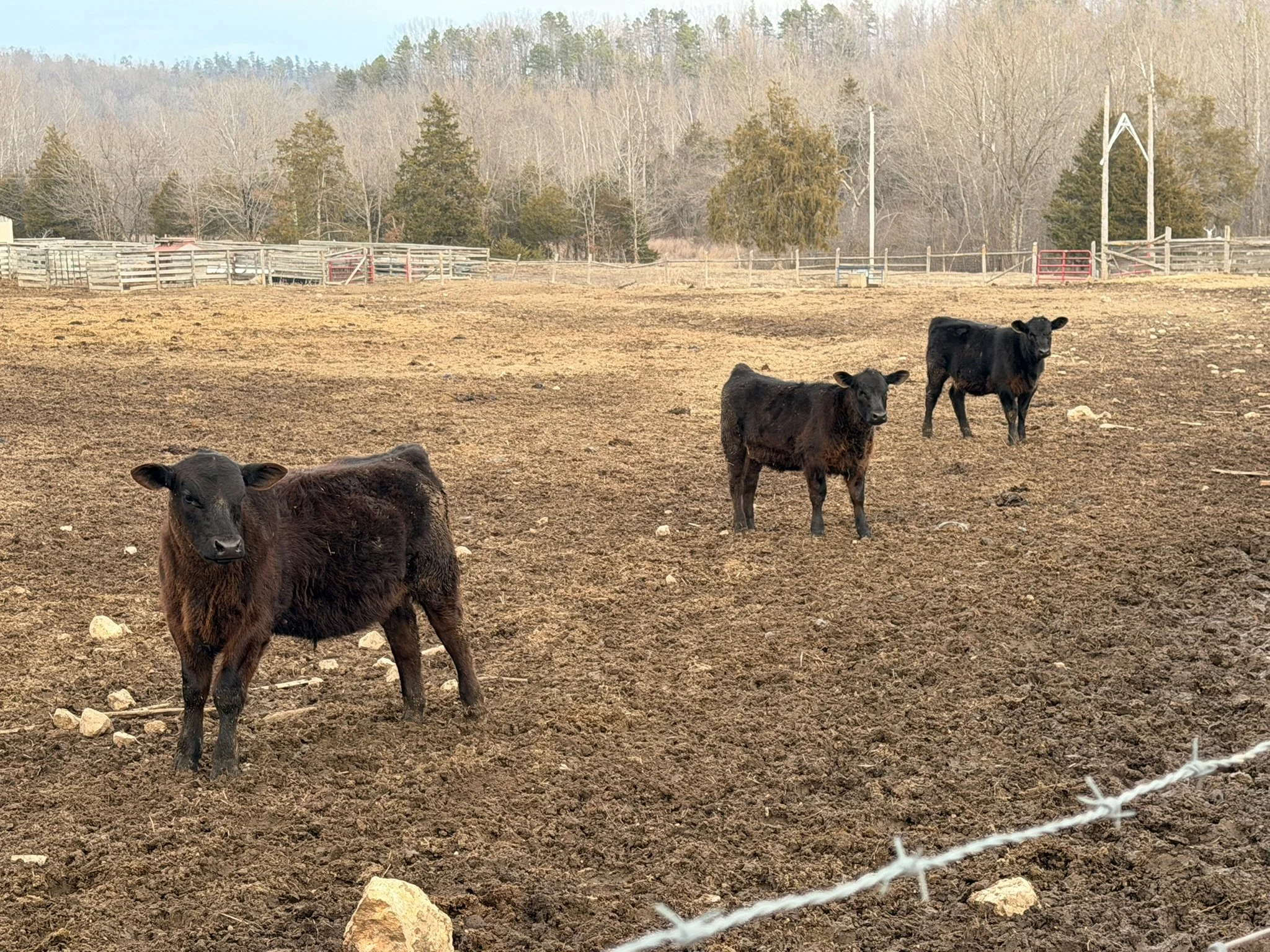
Calves are raised under practical ranch conditions and developed to become productive breeding cattle capable of long-term contribution to a cow-calf operation.
Looking Forward
Dry Creek Black Angus continues to build the herd through disciplined breeding decisions, careful selection of herd sires, and retention of the best Dry Creek-bred females.
The goal remains simple:
To produce Angus cattle that combine maternal strength, balanced performance, and long-term productivity for cattle producers.